
Root Canal Therapy – Worthington, PA
Save Your Smile with a Root Canal

Do you have a troublesome tooth causing you pain? You might be tempted to have it removed to solve the problem. Although this seems like a simple solution, you will be left with a missing tooth which creates an entirely new set of challenges. Dr. Lawrence J. Adam can save your tooth and stop your pain with root canal therapy. You have probably heard about their painful reputation, but you have nothing to fear. Now, root canals in Worthington are no worse than a traditional filling.
Root Canals
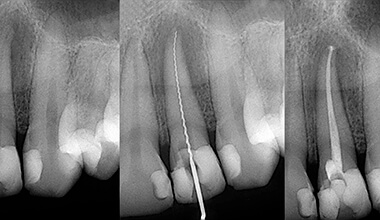 Root canals are necessary when tooth decay or dental trauma has reached the interior layer of the tooth. Known as pulp, this dental layer houses the entire nerve system of the tooth. When dental damage reaches the pulp, patients experience severe toothache and tooth sensitivity to heat and cold. Root canal therapy allows Dr. LJ to remove the pulp and nerve of the tooth almost immediately relieving pain. The tooth is then refilled with a similar substance, sealed, and in most cases, a dental crown is placed over the tooth for added support and protection.
How Do I Know If I Need a Root Canal?
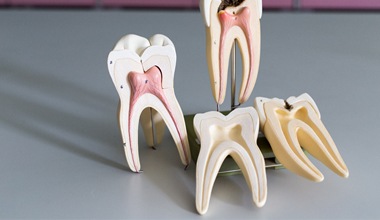
Root canals are among the most commonly performed restorative treatments because they are effective for saving a damaged tooth from needing to be removed. Although they are routinely used, they are only recommended when there are no other viable treatments to prevent extraction.
There are some clear indicators a root canal may be in your future, such as:
- Darkening of the tooth.
- Lingering pain or sensitivity when exposed to hot or cold temperatures.
- Pain when placing pressure on the tooth.
- Swollen or tender gums near a tooth.
- Pimple-like bump appearing on the gums near the tooth.
Even if you have one or more of these symptoms that does not mean you need a root canal. Dr. Adam performs a complete examination to ensure the treatment is in your best interest.
How Does Root Canal Therapy Work?
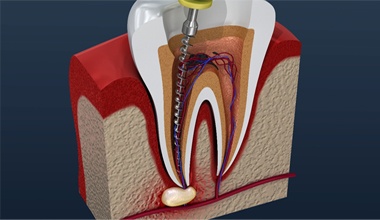
Now, new advancements in dentistry allow root canals to have over a 95% success rate when performed by a qualified dentist in Worthington, like Dr. Adam. During your initial consultation, he takes digital images to view the entire structure of your tooth to create a customized treatment plan.
New methods and techniques now make root canals virtually pain-free. Dr. Adam uses an anesthetic to ensure your comfort. He uses special dental tools to remove areas of decay and to extract the inner layer of your tooth, called the pulp. He sterilizes your tooth before sealing it with a special material called gutta-percha. Now, your tooth’s health is restored, allowing it to stay in place for several years with the right aftercare.
What Happens After a Root Canal?
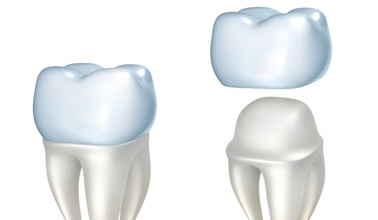
After your root canal, you need a dental crown. This is a custom-made cap placed over the entire visible surface of your tooth. It provides an added layer of protection while also reinstating the function and appearance of your tooth.
Dr. Adam takes a digital impression of your tooth to get the exact measurements he needs to customize your restoration. It is designed to meet your exact size, shape, and color needs in a dental lab. This can take a couple of weeks to ensure it is accurate, so Dr. Adam attaches a temporary crown while you wait. After your final crown is sent back to our office, you return to have it bonded to your tooth. Your crown can last an average of 10 years before needing to be replaced.
Save Your Smile Today!
Dr. Adam can save your damaged tooth with a root canal. Contact our office today to schedule your consultation.
Understanding the Cost of Root Canals

While a root canal may be necessary for preserving a damaged or infected tooth, you’ll also want to know about the overall cost of the procedure. Since no two situations are the same, you won’t expect a set fee for the treatment. For this reason, you’ll have to schedule a consultation with our team so we can evaluate your oral health and provide you with a price estimate so you’ll know how much to pay. We’ll also go over your financing options to make the process more manageable. Until then, read on to learn about several factors to consider about the cost of root canal therapy in Worthington.
Factors That Can Affect Root Canal Cost

Only when our team has had a chance to look over your smile will we be able to determine the exact price of your root canal therapy. That said, here are a few factors that can impact the amount:
- Location of the tooth – You might expect to pay more for your root canal if the affected tooth is a molar rather than a front tooth, as they consist of more roots.
- Complexity of the case – The more difficult the root canal treatment will be, the higher the upfront value.
- Additional treatments – If you require extra services after your procedure, such as a dental crown, this can raise the overall price.
Is it Cheaper to Pull My Tooth?
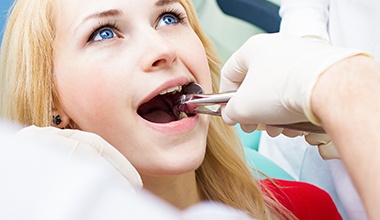
While it might seem more efficient to simply extract a tooth instead of undergoing root canal therapy, you’ll need to consider the consequences of removing one of your pearly whites. Not only will this negatively affect your bite, speech, and your ability to chew, but it can result in more serious complications such as dental shifting and further tooth loss. To avoid more costly treatments to replace a missing tooth, you can end up saving money by saving it with a root canal instead.
Does Dental Insurance Cover Root Canal Therapy?

Since this procedure is considered a major restorative dental service, you can typically expect dental insurance to cover around 50-80% of the total cost after you’ve met your deductible. Even so, every policy varies from patient to patient, so you’ll want to double-check with your provider about the details of your plan before undergoing any treatment. Our team is in-network with many insurance plans and will be more than happy to help you navigate your policy and maximize your benefits.
Other Options for Making Root Canal Therapy Affordable

If you don’t have insurance, you may be able to explore alternative financing options to help minimize your out-of-pocket expenses. Our team offers a dental savings plan for one low annual fee, which can save you 15% on all treatments, including root canal therapy. We are also partnered with a third-party financier called CareCredit that can help split the cost of your procedure into small, monthly installments with little to no interest!
Root Canal FAQs
Are Root Canals Painful?
Let’s start with arguably one of the most-asked questions about root canals, “Do they hurt?” Fortunately, the answer is “no.” This often surprises patients since this emergency dental treatment has such a scary reputation. However, we always numb your mouth prior to the procedure. Plus, we will provide you with aftercare instructions to help you heal comfortably as well.
Do Root Canals Make You Sick?
Behind “root canals hurt,” this is perhaps the biggest misconception about this tooth-saving treatment. In order to understand the truth behind it, we need to go back to the 1920s. At the time, a dentist named Dr. Weston Price claimed his research showed that it was better to remove the tooth since root canals didn’t remove all of the bacteria. However, his research was poorly designed, his claims have been disproven for several decades now, and there currently isn’t any scientific evidence linking root canal treatment to an increased risk of disease elsewhere in the body.
Why Do I Need a Root Canal if My Tooth Doesn’t Hurt?
This is a very common question. Since excruciating toothaches are a common warning sign that a root canal is needed, it’s easy to see why, too! The reality is that this is just one of many symptoms of a badly decayed or damaged tooth. Dark discoloration on the tooth and a pimple-like bump on the gums are a few other things we look for during the exam. If we notice these or anything else unusual, we will bring it to your attention and share if we recommend moving forward with a root canal.
Are Root Canals Covered by Insurance?
Many dental insurance plans have a 100-80-50 coverage structure, which means that 100% of the cost of preventive care and between 50% and 80% of the cost of essential restorative treatments are covered. If that’s the case for you, then your provider may cover a portion of the price of your root canal.
Of course, there are sometimes waiting periods, annual maximums, and other restrictions that need to be considered, so it’s important to read the fine print on your plan. If you need any assistance, let our Worthington dental team know! We’re in-network with several popular providers, including Delta Dental, Humana, and BlueCross BlueShield, and we’d be happy to assist with the process of understanding and utilizing your benefits.
Can Root Canals Be Prevented?
Fortunately, many dental emergencies are preventable, including root canals. The easiest way to reduce your risk is by prioritizing healthy habits, like brushing your teeth twice a day, wearing a mouthguard during sports, and eating mostly healthy, well-balanced meals. It’s also important that you schedule a dental checkup with Dr. LJ every six months so common oral health problems, like cavities, can be diagnosed and treated before a root canal is necessary.